Source eco friendly charcuterie board for Daily Use, Gifts, and Display
Compare 30 eco friendly charcuterie board options made from MDF, solid wood, and bamboo. These items feature painted or natural finishes and are suitable for daily use, commerce gifts, and display stands.
Key considerations
Products List


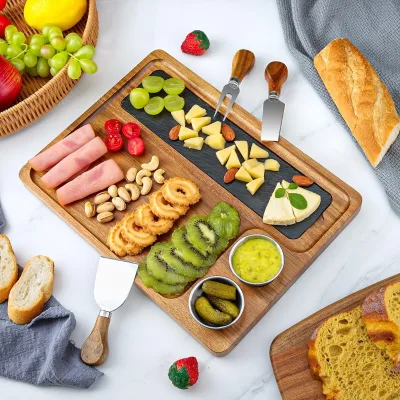
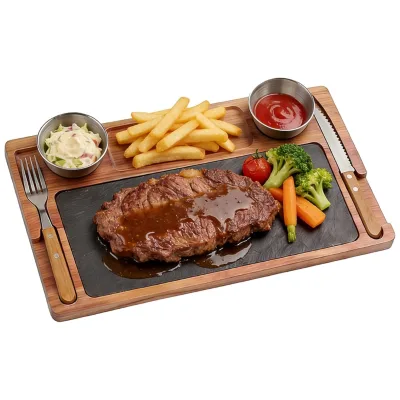
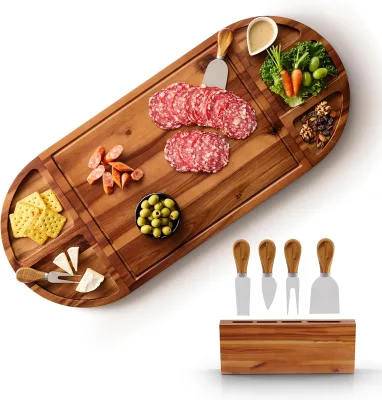
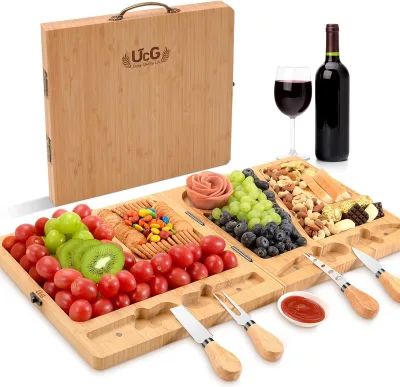
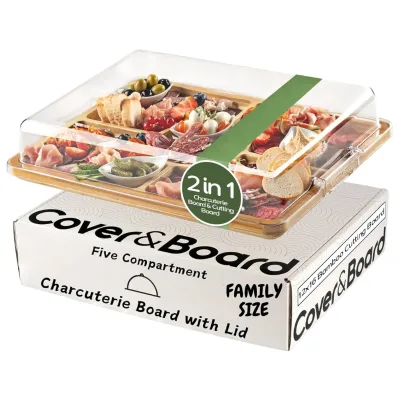
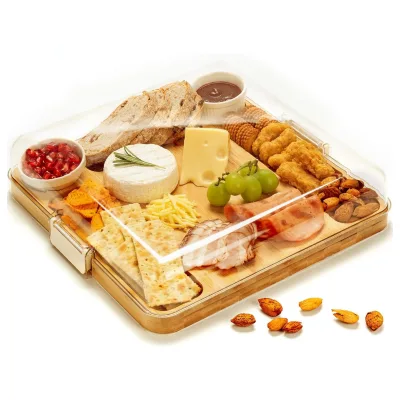


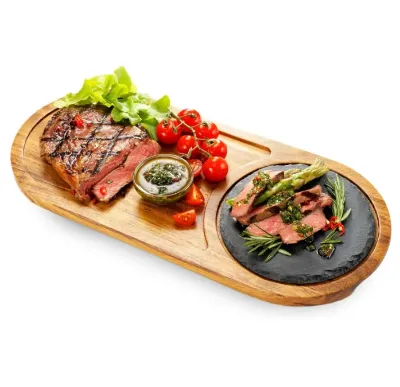
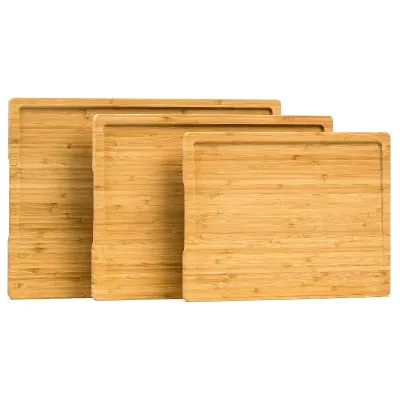
Comprehensive Sourcing Guide
Strategic Sourcing Guide for Eco-Friendly Charcuterie Boards
Understanding Material Variations and Structural Integrity
When sourcing eco-friendly charcuterie boards, the primary differentiator lies in the raw material composition. The market presents distinct options ranging from solid wood to engineered wood products like MDF, each offering unique structural properties and sustainability profiles. Solid wood remains the gold standard for durability and natural aesthetics, providing a robust surface capable of withstanding repeated knife use and moisture exposure. In contrast, MDF (Medium Density Fiberboard) offers a uniform surface ideal for specific decorative applications or lighter-duty usage scenarios where the board serves primarily as a display stand rather than a cutting surface.
Buyers must carefully evaluate the material specification against the intended end-use. For active food preparation, such as slicing meats and cheeses, solid wood or bamboo is generally preferred due to their inherent resistance to knife marks and moisture absorption. The provided data indicates that bamboo is a significant material category, often marketed as a renewable resource. Bamboo products frequently feature a "warm bamboo color" and are noted for their natural grain patterns. However, it is crucial to distinguish between boards designed for chopping and those intended solely for presentation. Some listings explicitly categorize products as "Fruits and Vegetables Chopping Board" or "Fruits Chopping Board," while others are labeled as "Display Stand" or "Home Furniture." This distinction dictates the necessary hardness and finish requirements.
The structural design also plays a vital role in functionality. High-quality boards often incorporate specific features such as juice grooves to contain liquids from fruits or cheeses, preventing cross-contamination and mess. Some advanced configurations include stackable trays and food dropping zones, which enhance the utility of the board for serving multiple items simultaneously. The shape of the board, whether square or custom, influences how it fits into serving arrangements and storage solutions. Buyers should verify if the product offers a "flexible" design that can be customized to specific dimensions, as standard sizes like 12''x9'' may not suit all commercial or retail needs.
Technical Specifications and Functional Attributes
The technical performance of an eco-friendly charcuterie board is defined by a combination of dimensions, thickness, and surface treatments. Thickness is a critical metric; "thickening" specifications often indicate a higher quality product that resists warping and provides a substantial feel during service. For boards intended for heavy use, a thicker profile is essential to maintain structural integrity over time. The standard size of 12''x9'' represents a common footprint for serving boards, but the ability to customize dimensions is a valuable feature for bulk buyers seeking to align with specific branding or packaging requirements.
Surface finish is another technical parameter that impacts both aesthetics and hygiene. A "matt finish" is frequently observed in high-end wooden products, offering a sophisticated look that minimizes the visibility of scratches and fingerprints. This finish is typically achieved through specific painting or coating processes. The processing method, such as "painted" or natural treatment, affects the board's resistance to stains and moisture. For food-contact surfaces, the finish must be non-toxic and compliant with food safety standards. The presence of a "juice groove" is a specific functional attribute that requires precise engineering to ensure it effectively channels liquids without compromising the structural strength of the board.
Functional attributes extend beyond the physical structure to include safety and usability features. Some products are designed with "anti-skidding" properties to ensure stability on serving tables, while others may feature "anti-friction" surfaces to facilitate smooth slicing. The inclusion of "stackable trays" adds versatility, allowing the board to function as a multi-tiered serving station. Additionally, the "groove" for food dropping zones helps in organizing ingredients, making the board suitable for complex charcuterie presentations. These features collectively enhance the user experience, making the product more attractive to retailers and end consumers who value convenience and presentation.
Compliance, Certification, and Food Safety Standards
Ensuring compliance with food safety regulations is paramount when sourcing charcuterie boards intended for commercial or consumer use. The market often highlights certifications such as FDA approval and FSC (Forest Stewardship Council) certification, which serve as indicators of safety and sustainability. FDA approval is a critical benchmark for products that come into direct contact with food, ensuring that the materials and finishes used do not leach harmful substances. The "Food Grade FDA" attribute is a key specification that buyers must verify, particularly for boards marketed as chopping boards or kitchen tools.
FSC certification is another essential standard for eco-friendly products, verifying that the wood or bamboo originates from responsibly managed forests. While the background information notes FSC as a potential certification, buyers should treat this as a verification point rather than an automatic guarantee. It is the responsibility of the procurement team to request valid certification documents from suppliers to confirm that the product meets the claimed environmental standards. The presence of "Fsc and FDA Approved" or "Fsc and FDA" in product descriptions suggests a dual commitment to safety and sustainability, but these claims must be substantiated with current documentation.
Beyond specific certifications, buyers should also consider general safety standards related to the materials used. For instance, the absence of BPA (Bisphenol A) is a common requirement for food-contact products, although the provided data lists "BPA" as an attribute without specifying the status (e.g., BPA-free). This ambiguity necessitates direct inquiry with suppliers to confirm whether the product is indeed free from BPA. Similarly, the "Natural" attribute implies the use of untreated or minimally processed materials, which aligns with eco-friendly sourcing goals but requires verification to ensure no hidden chemical treatments compromise food safety.
Cost Drivers and Pricing Dynamics
The pricing of eco-friendly charcuterie boards is influenced by a complex interplay of material costs, manufacturing processes, and customization requirements. The observed price range in the market spans from $1 to $19.18, reflecting the diversity of product types and quality levels. Lower-priced items typically correspond to simpler designs, smaller sizes, or materials like MDF that are less expensive to produce. Conversely, higher-priced boards often feature solid wood or bamboo construction, advanced functional attributes like juice grooves and stackable trays, and premium finishes such as matte coatings.
Material selection is a primary cost driver. Solid wood and bamboo are generally more expensive than engineered wood products due to the cost of raw materials and the labor-intensive processing required. The thickness of the board also impacts cost, with "thickening" specifications commanding a premium. Customization is another significant factor; products that offer "custom" sizes or designs often incur higher costs due to the need for specialized tooling and production runs. The "OEM" (Original Equipment Manufacturer) capability of suppliers allows for branding and design modifications, which can add to the overall expense but provide value through brand differentiation.
Packaging and logistics also contribute to the final cost. The "prod_packing" specifications vary, with options ranging from simple "Paper Box" to more protective "Shrink Wrap+ Box" or "Foam, Cardboard, Polybag" combinations. Enhanced packaging ensures the product arrives in pristine condition, reducing the risk of damage during transit, but it adds to the unit cost. Additionally, the Minimum Order Quantity (MOQ) ranges from 100 to 1000 units, influencing the per-unit price. Larger orders typically benefit from economies of scale, lowering the cost per piece, while smaller orders may require a higher price point to cover setup and production costs.
Supplier Evaluation and Production Capabilities
Selecting the right supplier requires a thorough evaluation of their production capabilities, quality control systems, and ability to meet specific buyer requirements. The "OEM: Acceptable" attribute indicates that many suppliers are willing to customize products, which is crucial for buyers seeking branded or unique designs. However, the ability to offer customization does not guarantee quality; buyers must assess the supplier's track record in delivering consistent results. The "prod_model" identifiers, such as DT06 and DT2601, suggest that suppliers have established product lines, but buyers should verify if these models can be adapted to specific needs.
Production capacity and lead times are critical factors in supplier selection. While specific lead times are not provided in the data, the MOQ range of 100 to 1000 units implies that suppliers have varying levels of flexibility. Buyers should inquire about the supplier's ability to handle rush orders and their capacity to scale production during peak seasons. The "prod_origin: China" indicates that the majority of these products are manufactured in China, a region known for its extensive manufacturing infrastructure but also requiring careful oversight to ensure quality and compliance.
Quality control is another essential aspect of supplier evaluation. Buyers should request samples to verify the physical attributes of the product, such as the finish, thickness, and functionality of features like juice grooves. The "Process: Painted" and "Finish: Matt Finish" attributes should be physically inspected to ensure they meet the desired aesthetic and functional standards. Additionally, suppliers should be able to provide documentation for certifications like FDA and FSC, as well as test results for food safety and material durability. A supplier's willingness to share this information is a strong indicator of their commitment to transparency and quality.
Long-Term Procurement and Application Strategy
The long-term success of sourcing eco-friendly charcuterie boards depends on aligning the product with the buyer's strategic goals and market demands. The "Usage" attributes, including "Daily Use," "Commerce Gifts & Decoration," and "Collection," highlight the versatility of these products. Buyers should consider how the board fits into their product portfolio and whether it meets the expectations of their target audience. For instance, boards marketed as "Kitchen Tool" or "Kitchen Equipment" are suitable for retail stores focusing on culinary supplies, while those labeled as "Home Furniture" or "Display Stand" may appeal to interior design retailers.
Sustainability is a growing concern for consumers, making the eco-friendly aspect of these boards a key selling point. The "Natural" and "Bamboo" attributes resonate with environmentally conscious buyers, but the claims must be backed by credible certifications. Buyers should develop a strategy that emphasizes the environmental benefits of the product, such as the use of renewable materials and responsible sourcing practices. This approach can enhance brand reputation and drive sales in markets where sustainability is a priority.
Finally, buyers should plan for the lifecycle of the product, including maintenance and replacement. Boards with "Anti-skidding" and "Anti-friction" features may require less maintenance, extending their useful life and reducing the need for frequent replacements. The "prod_packing" options should also be considered in the context of the supply chain; durable packaging ensures that the product remains in good condition until it reaches the end consumer. By carefully evaluating these factors, buyers can build a resilient supply chain that delivers high-quality, eco-friendly charcuterie boards that meet both current and future market demands.
Comparative Analysis of Product Attributes
To facilitate informed decision-making, the following table summarizes the key attributes observed in the market, highlighting the variations in material, function, and specification.
| Attribute Category | Specific Observation | Relevance to Sourcing |
|---|---|---|
| Material | MDF, Solid Wood, Bamboo | Determines durability, cost, and eco-profile. Bamboo and Solid Wood are preferred for food contact. |
| Function | Chopping, Display, Anti-skidding, Juice Groove | Defines the primary use case. Chopping requires robust materials; display focuses on aesthetics. |
| Finish | Matt Finish, Painted | Affects aesthetics and maintenance. Matt finish is popular for a premium look. |
| Certification | FDA, FSC (Verified) | Critical for food safety and sustainability claims. Must be verified with documentation. |
| Dimensions | 12''x9'', Custom, Large, Thickening | Impacts usability and storage. Custom sizes allow for brand differentiation. |
| Packaging | Paper Box, Shrink Wrap, Foam | Influences shipping costs and product protection. Complex packaging adds cost but reduces damage. |
| MOQ | 100 - 1000 Units | Affects pricing and inventory management. Lower MOQs offer flexibility but higher unit costs. |
| Origin | China | Indicates manufacturing hub. Requires quality control oversight for consistency. |
This comparative analysis underscores the importance of aligning product specifications with specific business needs. By carefully evaluating these attributes, buyers can make strategic decisions that balance cost, quality, and sustainability in their procurement of eco-friendly charcuterie boards.
FAQs
What materials are used for eco friendly charcuterie boards?
These boards are made from solid wood, bamboo, or MDF. Solid wood and bamboo are preferred for chopping due to durability, while MDF is suitable for display stands. Buyers must verify the material against the intended end-use to ensure structural integrity.
Which certifications ensure food safety for these boards?
Products often feature FDA approval and FSC certification for safety and sustainability. FDA approval confirms food-grade compliance, while FSC verifies responsible forest management. Buyers should request valid documentation to substantiate these claims before purchasing.
Can these boards be customized for specific sizes?
Yes, customization is available for specific dimensions and designs. The standard size is 12x9 inches, but custom options exist for branding needs. OEM capabilities allow for unique specifications, though this may affect the minimum order quantity and unit cost.
How does the price range vary for these products?
Prices range from 1 to 19.18 USD depending on material and features. Solid wood and bamboo boards with thickening and juice grooves cost more than simpler MDF options. Customization and packaging also influence the final price per unit.
What are the typical minimum order quantities for buyers?
The minimum order quantity ranges from 100 to 1000 units. Larger orders typically benefit from lower per-unit costs due to economies of scale. Buyers should confirm specific MOQ requirements with suppliers to align with their budget and storage capacity.
How are these boards packaged for shipping?
Packaging options include paper boxes, shrink wrap with boxes, or foam with cardboard and polybags. Enhanced packaging protects the product during transit but adds to the unit cost. Buyers should verify the packaging type to ensure the product arrives in pristine condition.
What functional features do these boards include?
Features include juice grooves, stackable trays, and anti-skidding surfaces. Some models have food dropping zones and flexible designs for complex presentations. These attributes enhance usability for serving meats, cheeses, and fruits while maintaining stability on tables.